A Guide to Choosing the Right On‑Demand Design Plan – Understanding Concurrency Models
Introduction
Unlimited design subscriptions promise endless briefs and revisions for a flat monthly fee, but in practice the number of active tasks a designer can work on at any given time is limited. This concept—often called a concurrency model—determines how quickly your queue moves and how much work you can receive each month. Knowing how concurrency works and aligning your plan with your workload can mean the difference between smooth creative operations and bottlenecks. This guide breaks down concurrency models and explains how to choose the right subscription tier for your needs.
1. What does “unlimited” really mean?
Most unlimited design companies allow unlimited requests and revisions, but they don’t provide unlimited design output. Rather, the pace of work depends on the number of active tasks your plan supports. For example, some services produce 2–3 social media graphics or 1–2 custom illustrations per day, emphasising that designers are human and cannot create infinite designs. Unlimited simply means you can queue as many requests as you like; the provider works on them sequentially or in parallel based on your plan.
2. How concurrency models work
Active requests vs queued tasks
An active request is a task a designer is currently working on. Subscriptions let you submit unlimited briefs, but only a limited number can be active simultaneously. For instance, Kimp’s plans support between one and five active requests; more active requests unlock higher output. When all active slots are filled, your remaining requests stay in the queue until space frees up.
Sequential vs parallel workflows
Some services follow a strict queue‑based workflow: one task must be completed before the next begins. Others allow designers to work on multiple tasks in parallel. Kimp notes that parallel workflows accelerate output because designers can complete multiple tasks simultaneously. Understanding whether your provider works sequentially or in parallel helps set realistic expectations.
3. Why multiple active requests matter
More active requests translate into more designs delivered per week. If you have only one active slot, your designer works on a single task at a time, including revisions. Adding slots lets the team tackle new tasks while finishing revisions, increasing throughput. Kimp emphasises that “multiple active requests unlock higher output” and notes that its higher tiers support simultaneous work across graphics and motion. For busy marketing teams or agencies, upgrading to a tier with more concurrency prevents bottlenecks.
4. Choosing the right plan
When evaluating subscription tiers, consider:
- Volume of concurrent work. How many tasks do you need in progress at the same time? Startups with occasional needs may be fine with one active request, while agencies running campaigns across channels might need multiple slots.
- Task complexity. Complex deliverables like multi‑page presentations, custom illustrations or web development take longer. Breaking them into smaller tasks or adding active slots can reduce wait times.
- Workflow flexibility. Do you need tasks delivered sequentially or in parallel? Understand how your provider manages queues and prioritisation.
- Service scope. Some tiers only include marketing graphics, while others add web/UI design, motion graphics, no‑code development and research. Ensure the plan covers the deliverables you need.
- Budget and growth plans. Higher tiers cost more but may save time and internal resources. Consider future growth—upgrading later is usually easier than downgrading.
5. How Orra’s plans align with concurrency
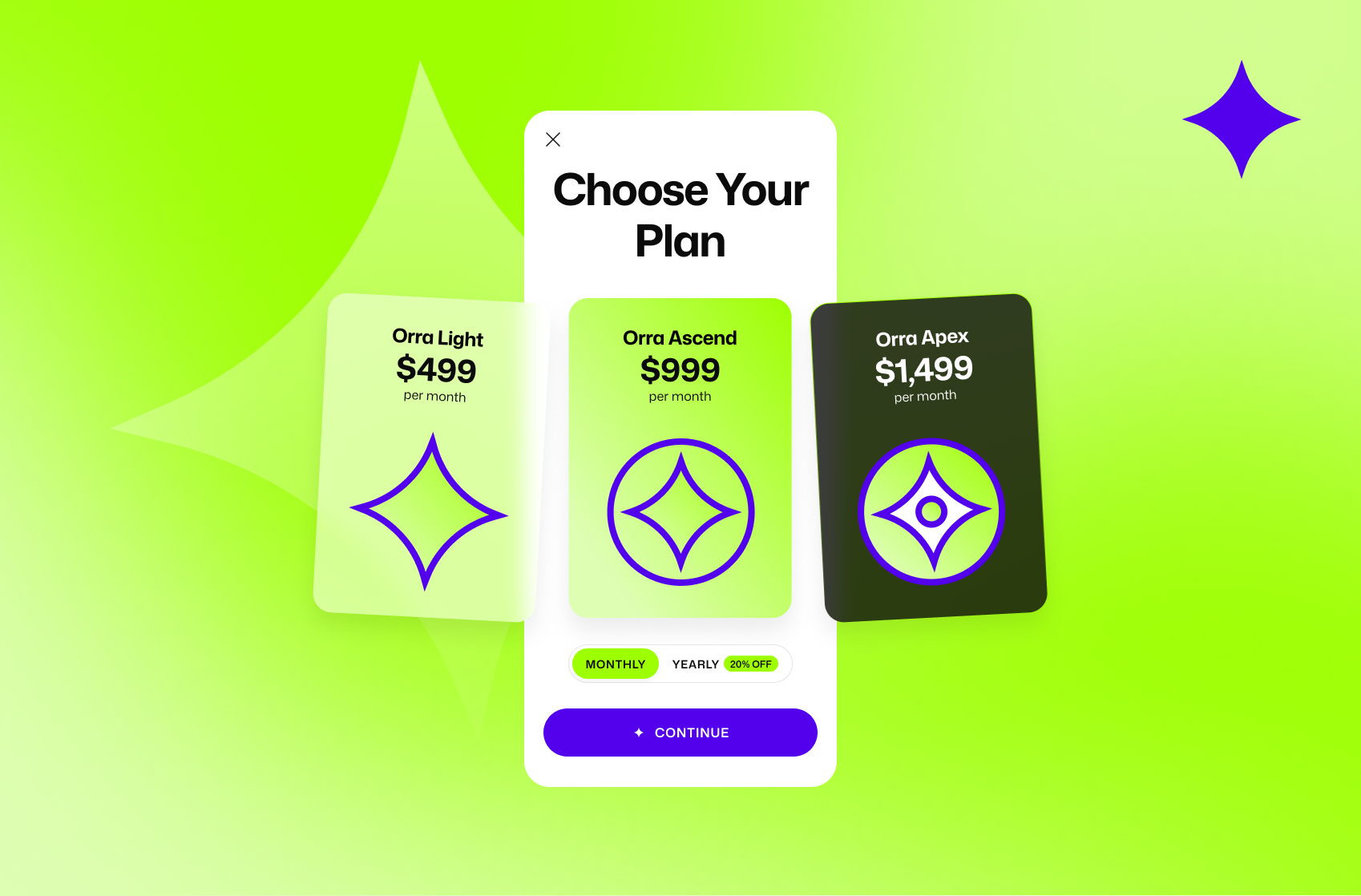
Orra offers four tiers that reflect concurrency and service scope:
- Orra Lite – 1 active request; ideal for startups needing social posts, ads, banners and simple illustrations.
- Orra Ascend – 2 active requests; adds custom illustrations, website/landing design, UI/UX design, email templates and print design.
- Orra Apex – 3 active requests; introduces Webflow/Framer development, basic motion graphics and light prototyping.
- Orra Enterprise – custom concurrency; covers product UI/UX, UX research, design systems, advanced motion/3D and strategy workshops.
All tiers include unlimited queued requests, unlimited revisions, fast turnaround and brand safety. As your workload grows from simple marketing graphics to integrated brand and product design, upgrading your concurrency and capabilities helps maintain momentum.
Conclusion
Concurrency is the secret ingredient behind the promise of unlimited design. Unlimited requests and revisions are only as meaningful as the number of tasks your designers can tackle at once. By understanding how active requests, queue management and parallel workflows operate—and by matching your plan to your workload—you ensure that your subscription delivers consistent, timely creative output.